
Who we are
Akhtar Mirza has a Master's from Université Paris Cité, Paris, France, and he is a writer, translator, researcher, playwright, and director. His writings and translations have been published in the Pakistan Academy of Letters’ Adbiyat, the University of Malaya’s (Malaysia) SARE: Southeast Asian Review of English, and Cité Internationale Universitaire de Paris in France. He is from Lahore but now based in Paris.
His master’s thesis at Université Paris Cité was entitled “Conveying Aurality in the Prose Translations of Prose Dāstāns: A Case Study of Musharraf Ali Farooqi's Hoshruba: The Land and the Tilism.” In the thesis, he focused on translating Tilism-e Hoshruba (Sense-stealing enchantment) by conveying the same aurality that exists in the Urdu language so that it could be performed easily. Now, he has started performing his own translations (the first performance was on 26 September 2025).
He also dabbled with videoessays.
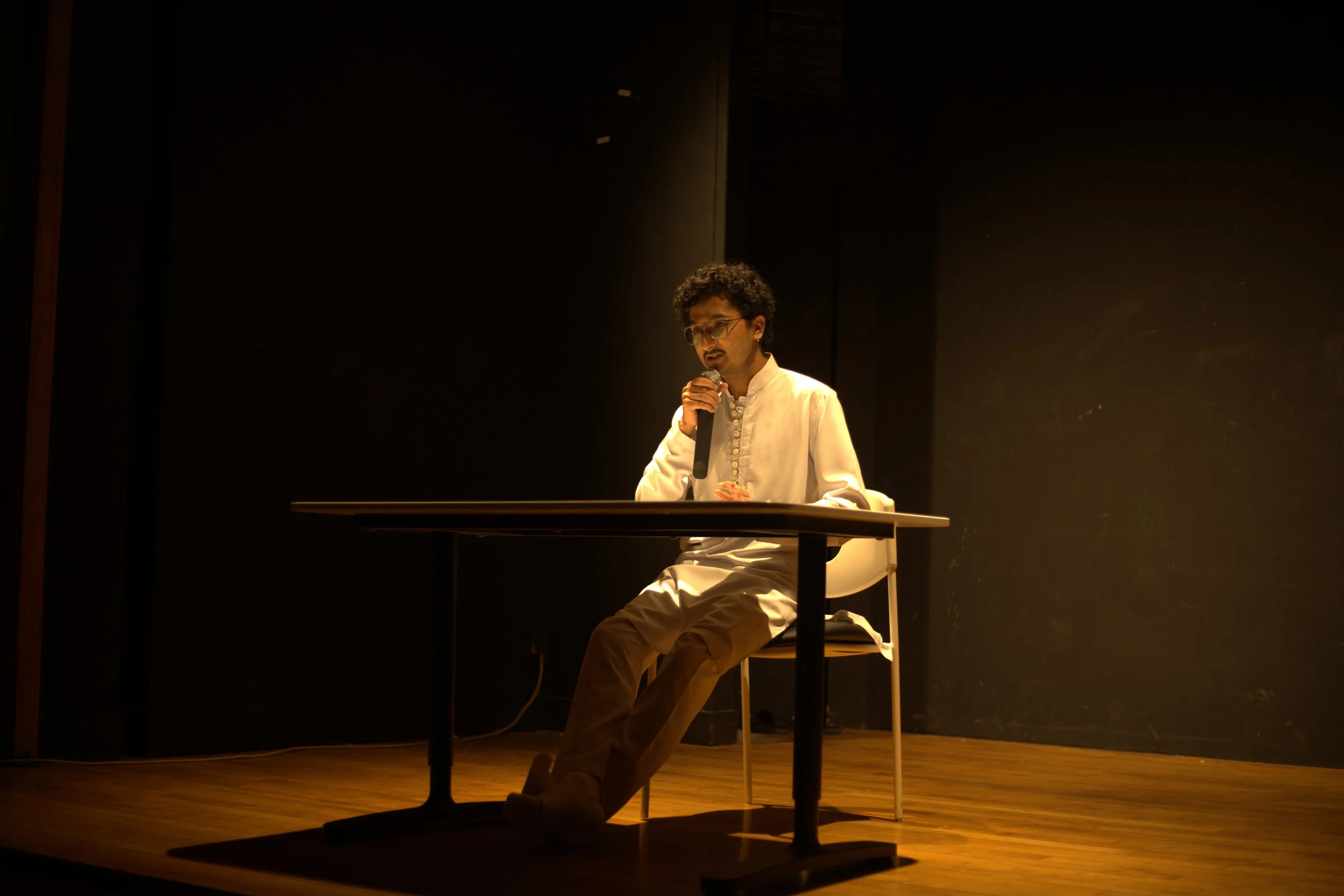
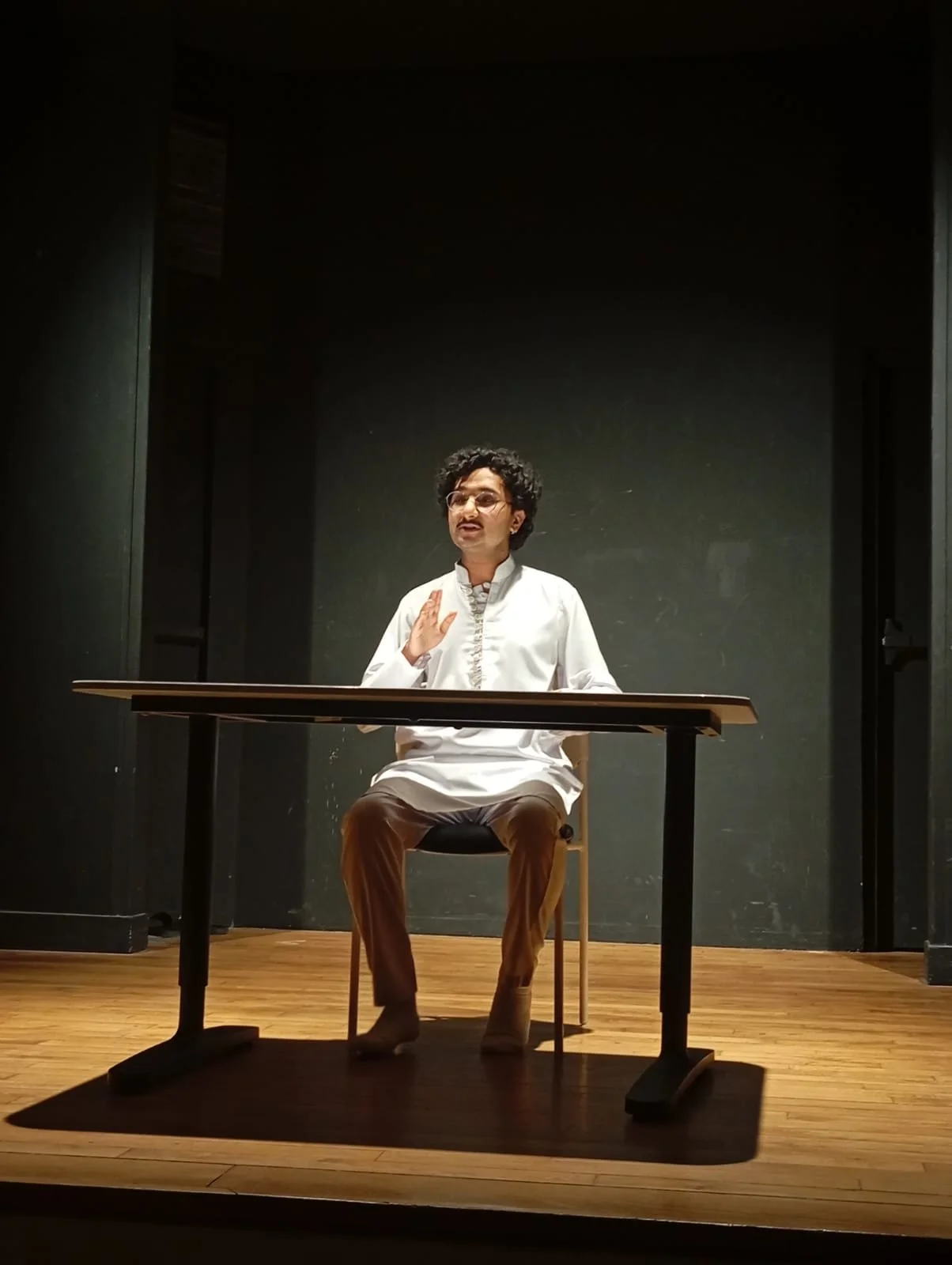
Akhtar Mirza is translating and performing these dāstāns in English and French. His aim is to propose new ways of recreating the aurality of these oral narratives in translation, and to develop a new audience for Indian oral storytelling traditions—qissahs and dāstāns (and for dāstāngo’ī)—in contemporary English- and French-speaking contexts, among others.
In this project, aurality is understood as the inherent tendency of the narrative to be read aloud or performed before an audience. The factors that produce this kind of aurality in writing stem from the syntactic, typographic, narratological, and rhythmic structures of the narratives, which encourage the reader to read aloud or to perform the text. I seek to create translated texts that retain this same aurality, in order to facilitate their performance before a live audience. While these translations may also be published, the primary objective at present is their public performance.
As Mirza is currently working alone, he can only translate and perform easily in English, as he has already done on 26 September and 12 December at the Cité internationale universitaire de Paris, and he can also perform in French. However, he would like to form a team and involve other translators and performers for additional languages—such as Italian and German—in order to train them to produce translations that respect the same aurality as the Urdu originals, and to perform these texts before an audience.
Once his company has been established and an audience and clientele have been developed, he would also like to present dāstāngo’ī performances based on texts beyond the Indian subcontinent, such as The Life and Opinions of Tristram Shandy, Gentleman, Les Liaisons dangereuses, among others.
The Project
A Short History of these tales
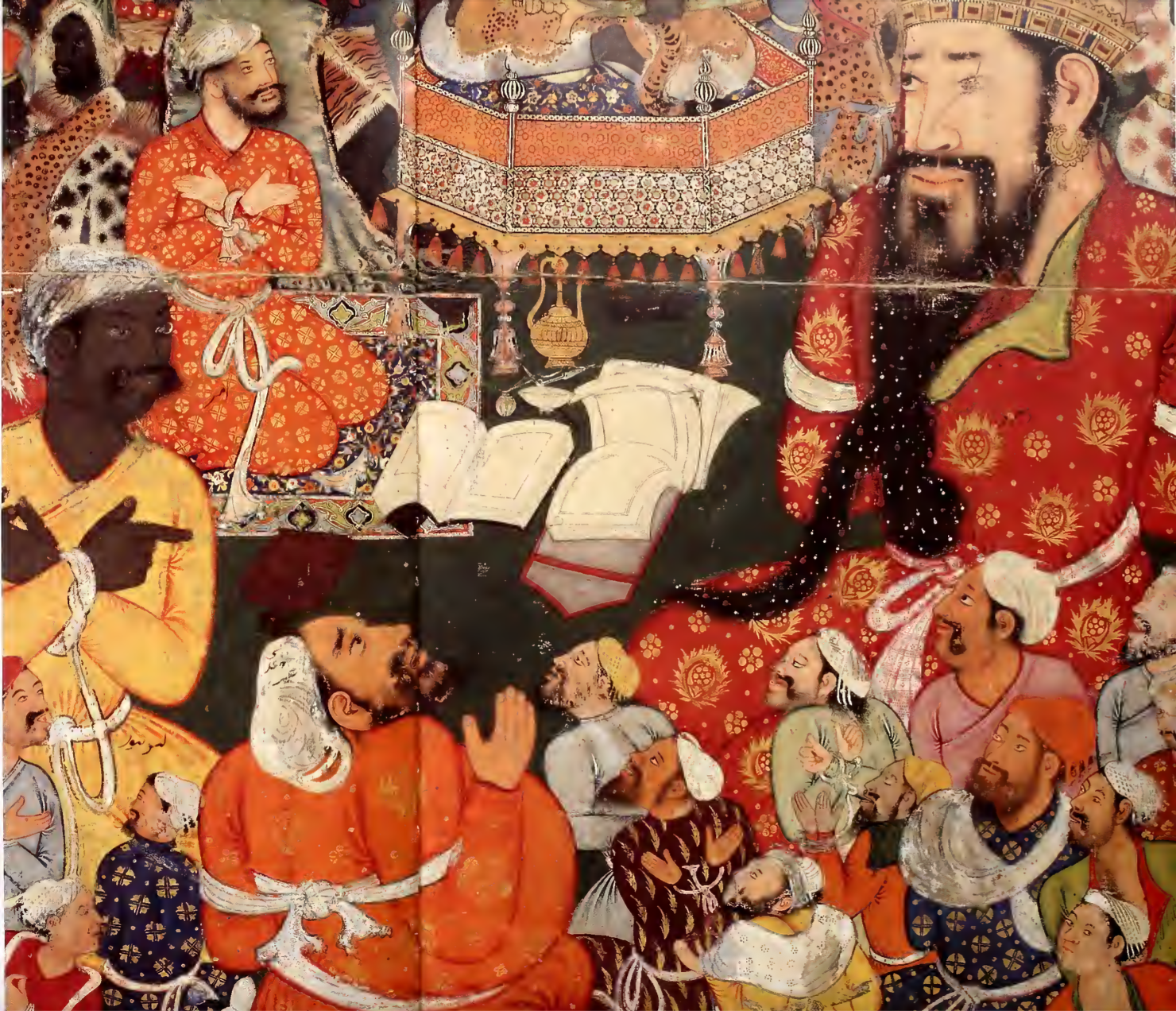
Dāstāns (literally: stories) are the oral narratives from the Indian Subcontinent, which dāstāngos (storytellers) used to tell by learning dāstāngo’ī (storytelling) from a maestro teacher, collecting stories, and writing them down in their chapbooks. This thesis aims to translate a dāstān by preserving its aurality in the target language, English. Fawad Khan (1974–), a contemporary Pakistani dāstāngo, defines dāstān as “a long, expansive, and elaborate tale that tells numerous interlinked stories of heroism, romance, magic, and adventure, incorporating both prose and poetry. It is rendered orally and has four essential elements: razm (battle), bazm (soirees), sahiri (magic), and ayyari (trickery)” (Adnan, 2016).
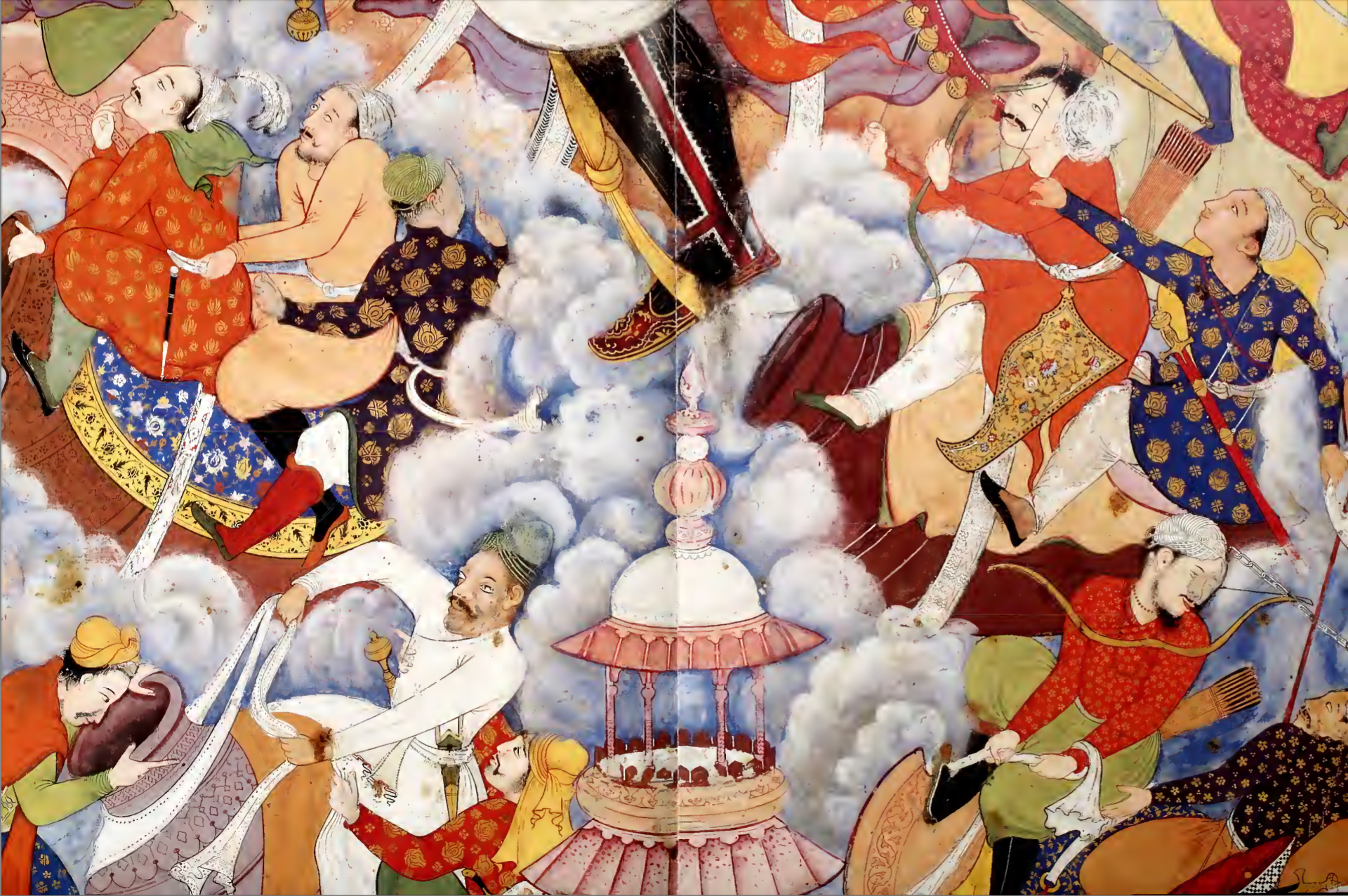
Dāstāngo’ī is a tradition of the Arabic and Persian languages dating back to the 13th century. When the Mughals invaded the Indian Subcontinent in the 16th century, this tradition became part of the Indian culture—first in Persian and later in the Urdu language. In the Indian Subcontinent, Mughal Emperor Akbar (1542–1605) commissioned storytellers and painters to compose and illustrate Ḥamzanamah/Dāstān-e Amīr Ḥamzah, a story that already existed in Iran even earlier than Ferdowsi’s (940–1020) Shahnameh (Seyller, 2002, 12–17). After Akbar, dāstāngo’ī and Dāstān-e Amīr Ḥamzah continued to flourish—reaching heights in Lucknow as an Urdu tradition—until 1928, when, with the death of Mīr Bāqir ‘Alī (1850–1928), the last known dāstāngo, this tradition of dāstāngo’ī expired. The texts, however, survived. Primarily written down by dāstāngos and/or by scribes, these texts were published by different publishers, most notably by the Naval Kishor Press of Lucknow.
Some dāstāns were written primarily in verse, while some mixed verses of numerous Persian and Urdu poets such as Ferdowsi, Faizi, Jami, Ghalib, etc., within their prose—Dāstān-e Amīr Ḥamzah is one such.
The earliest and the first Urdu version of Dāstān-e Amīr Ḥamzah was written by an Indian storyteller and poet, Khalīl ‘Alī Ḳhān Ashk, and published as a single volume in 1803. The second version was written by Navāb Mirzā Amān ‘Alī Ḳhān Ġhālib Lakhnavī, first published in 1855 and reprinted by Oxford University Press, Pakistan, in 2011 (155 years later) (Shahid, 2011, i). Naval Kishor Press published edited versions of Lakhnavī’s text in 1871 and 1969, edited by ‘Abdullāh Bilgrāmī and ‘Abdul Bārī Āsī, respectively, without giving credit to Lakhnavī. Some critics considered these versions as domesticated translations and localizations of a ninth-century Persian text entitled Maġhāziye Ḥamzah (Battles of Ḥamza), which recorded Ḥamzah bin ‘Abdullah Lāshārī Al-Buḳhāri’s touristic adventures and battles. Later Urdu versions of this dāstān that Naval Kishor Press published in forty-six volumes were based on these versions (Jain, 1988, 623–642).
Jāh’s Tilism-e Hoshruba is the fifth volume of this Press’s forty-six volumes of Dāstān-e Amīr Ḥamzah, appearing first in 1883. The earliest edition that has survived is the fourth edition, published in 1894.