Theater

Since 2022, Akhtar Mirza has been engaged with theater as a playwright, director, and actor. Some notable works are here!
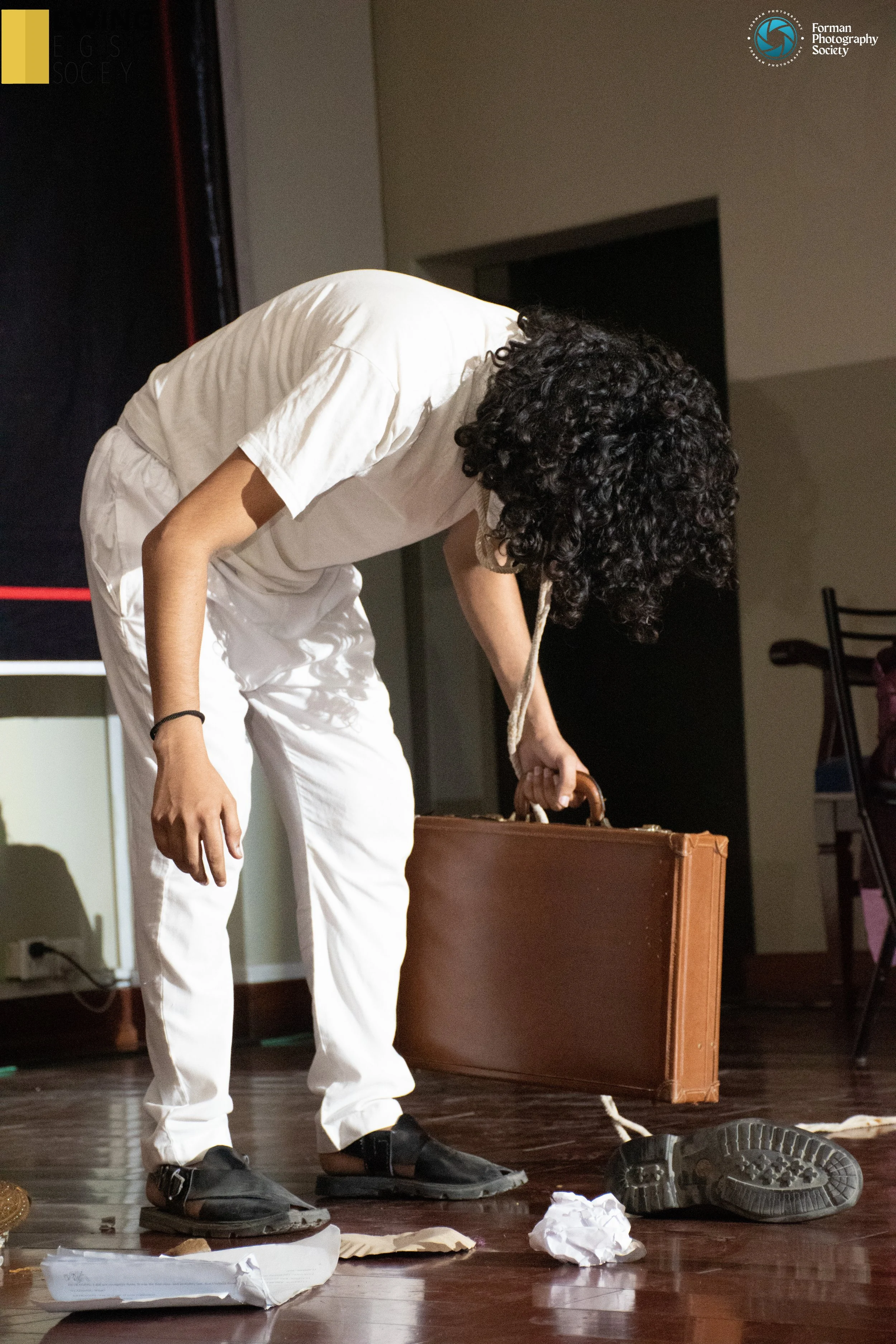
Person with curly hair, dressed in white, bending down, holding a brown suitcase, on a wooden floor scattered with crumpled paper, shoes, and a paper bag, in an indoor setting.

We are Waiting for Godot

A Pakistani adaptation of Samuel Beckett’s Waiting for Godot.

Akhtar Mirza adapted it into English in a 45-minute play, directed it, and also acted as “Lucky”.

It was performed on 16 May 2022 at the Forman Literary Festival, organized at Forman Christian College (A Chartered University), Lahore, Pakistan, by the Ewing English Society.
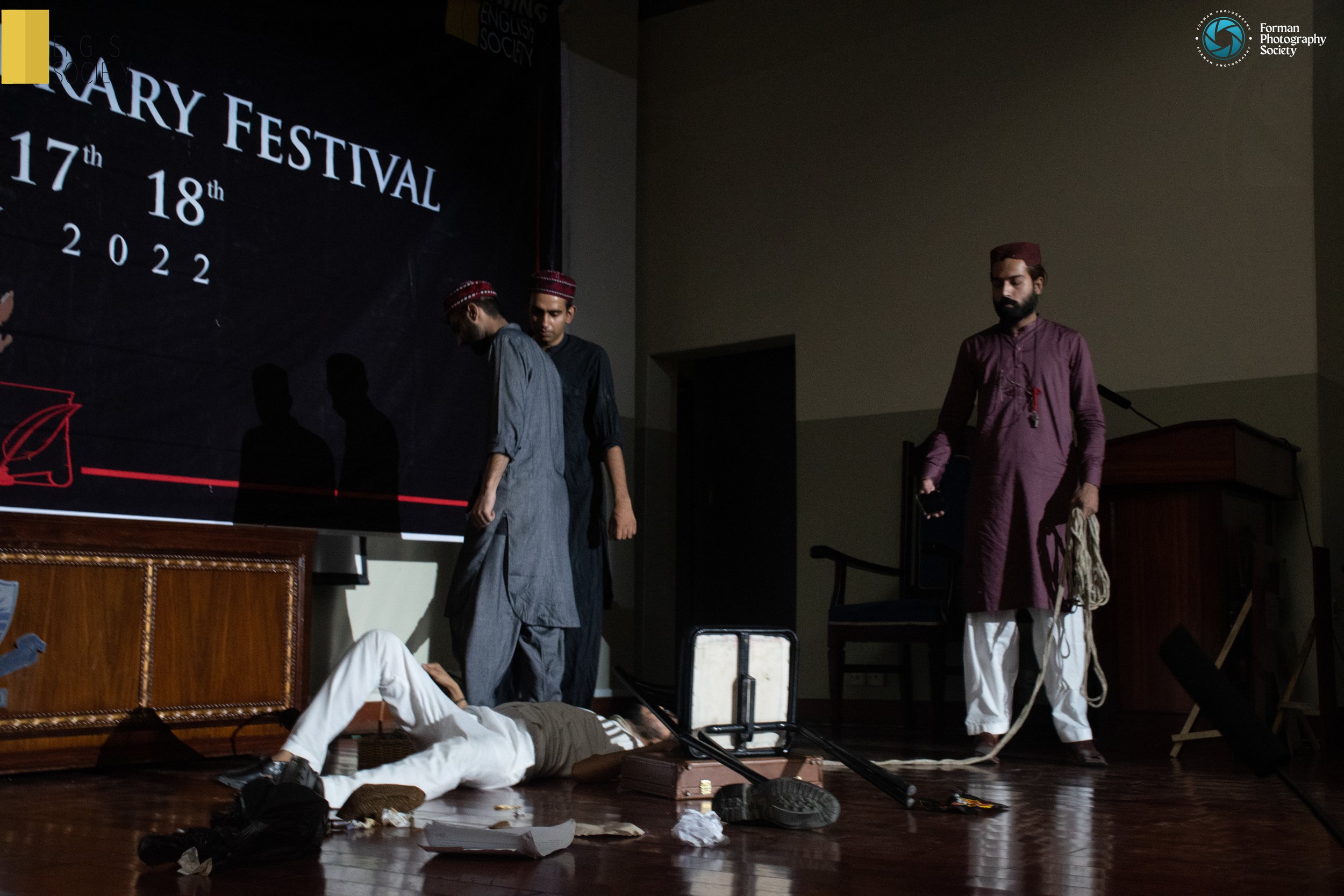
Scene from a dramatic play or reenactment at a religious festival, featuring four men in traditional clothing on a stage with props and a projected banner in the background.
Three young men in traditional attire on stage, one bent over with a suitcase, another holding a basket with a bottle, and the third standing with a paper in hand. They are part of a performance or reenactment.
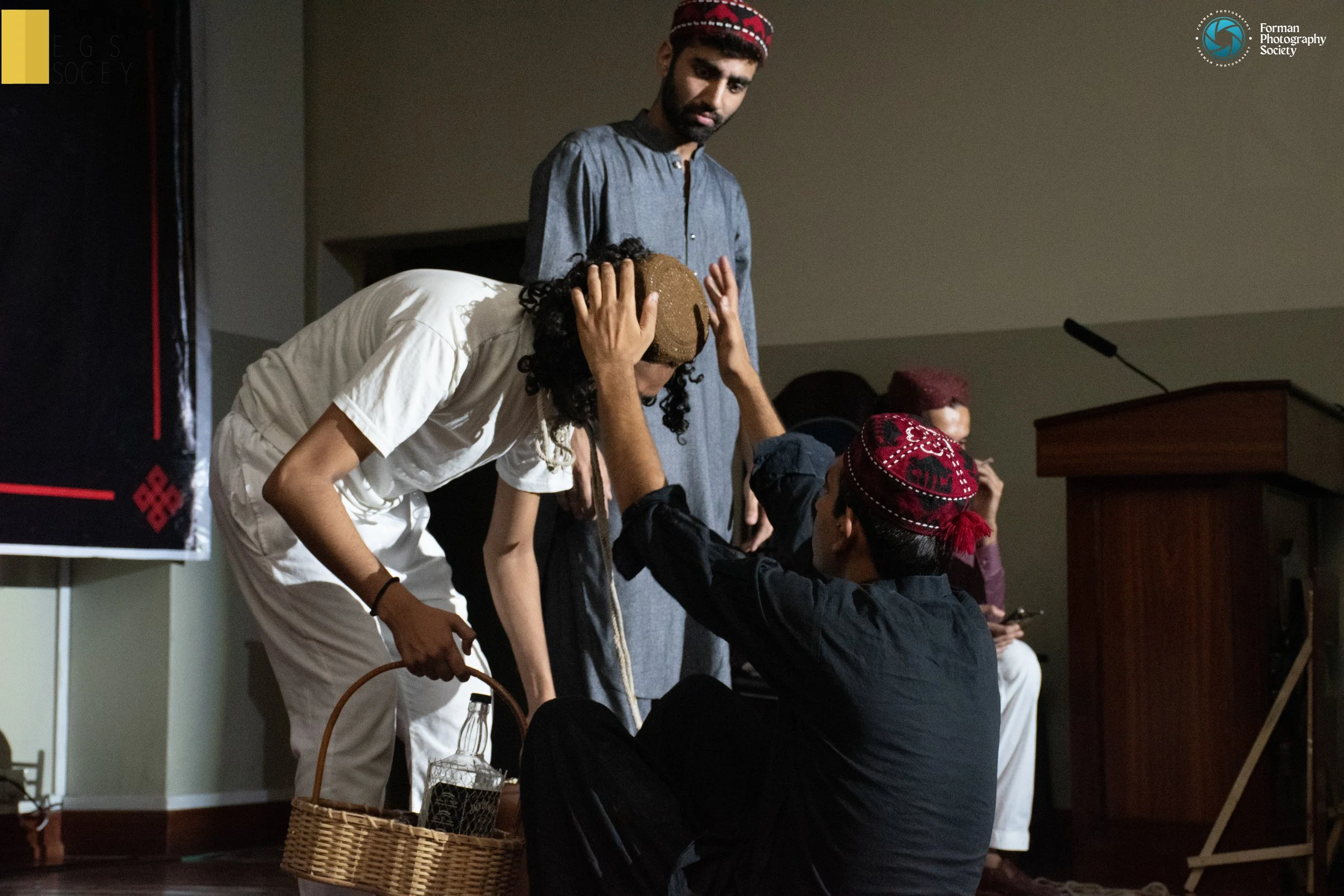
Group of people participating in a cultural or theatrical performance, with one person in black seated and wearing a red patterned cap adjusting another person's headgear, while another person in white holds a basket. A standing man observes, and a woman in the background sits near a wooden podium.

Man Tu : Karamāt

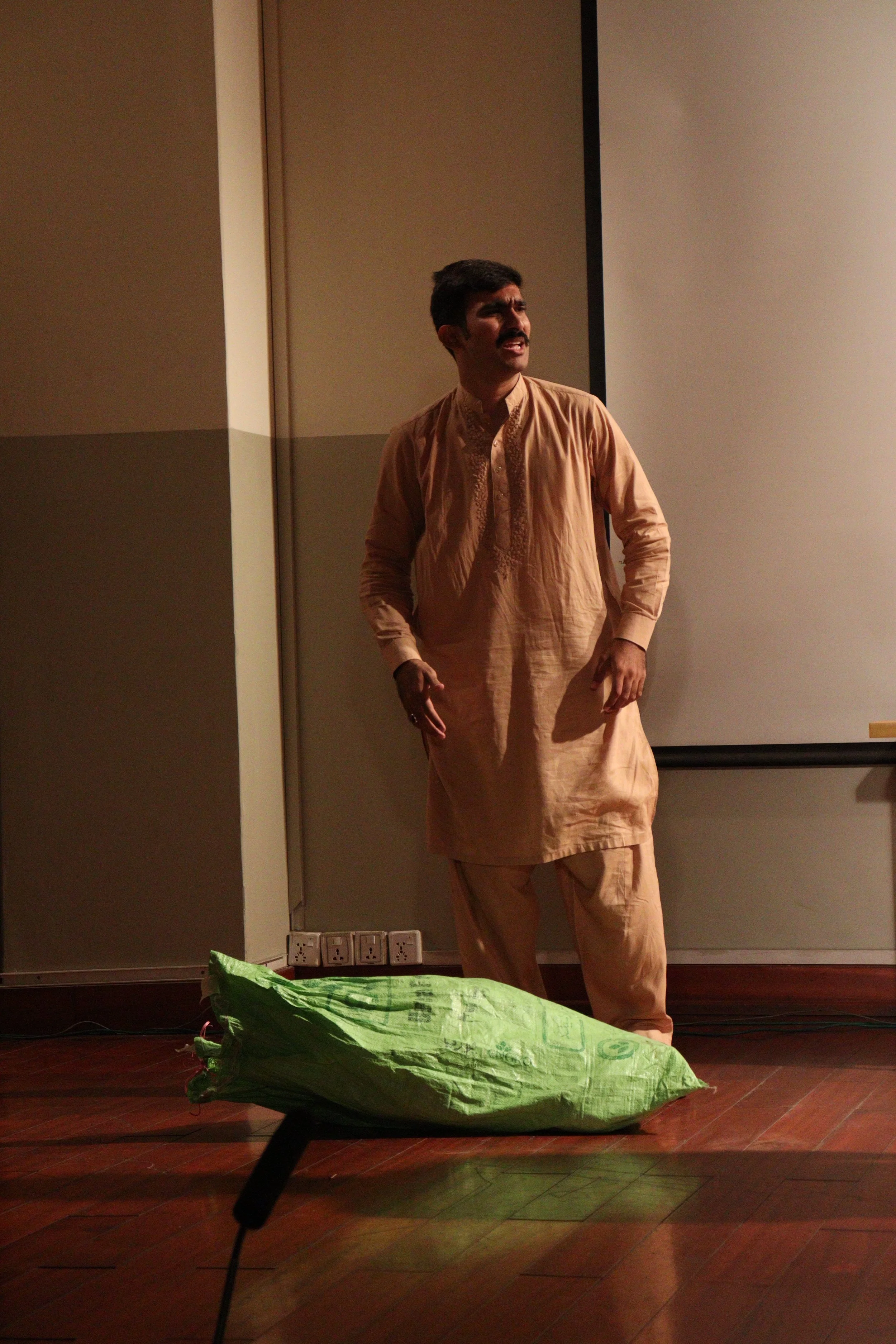
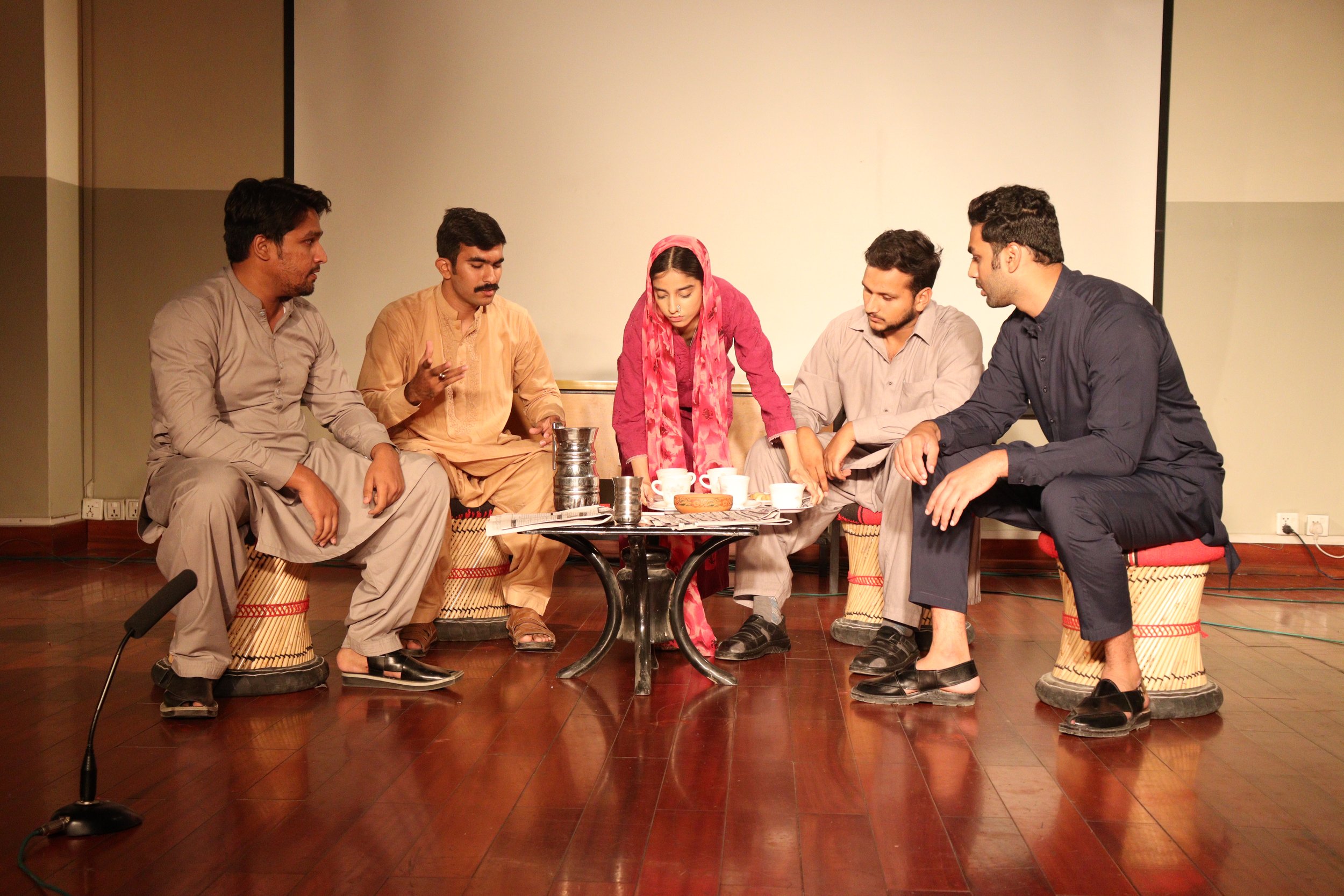
The first in the series of “Man Tu” (a series inspired by the stories of the Urdu short story writer Saadat Hasan Manto) was Karamāt.

Akhtar Mirza was the playwright and director. It was a thirty-minute play in Punjabi.

It was performed on 23 June 2022 at Forman Christian College (A Chartered University), Lahore, Pakistan.
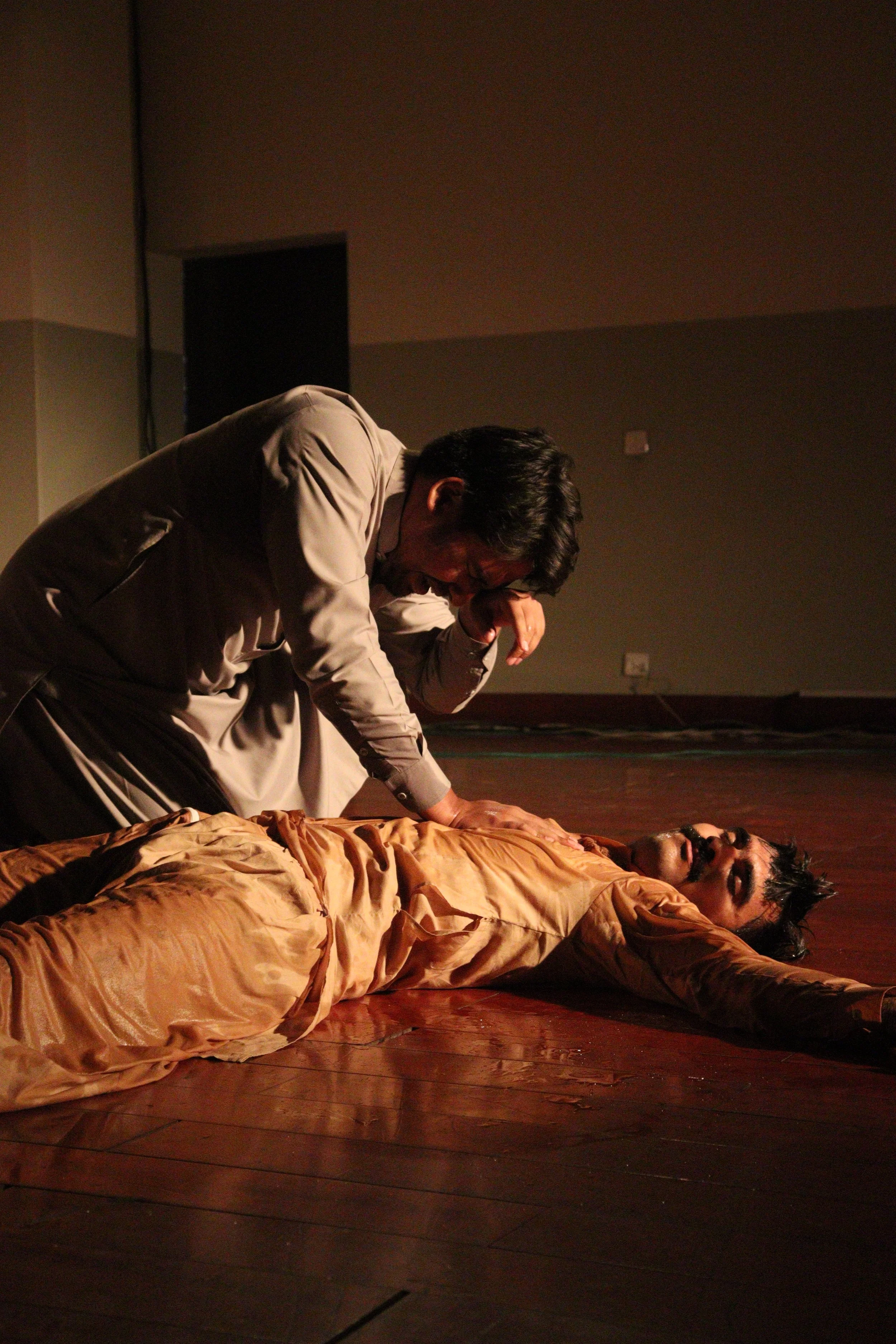
A man in a beige shirt kneels over a person lying on the floor, appearing to be mourning or distressed.
A man in traditional South Asian attire standing in front of a white projection screen, with a large green bag on the floor in front of him.
Five people sitting around a small table on stage during a theatrical performance, with one woman in a pink headscarf, engaged in a serious discussion.
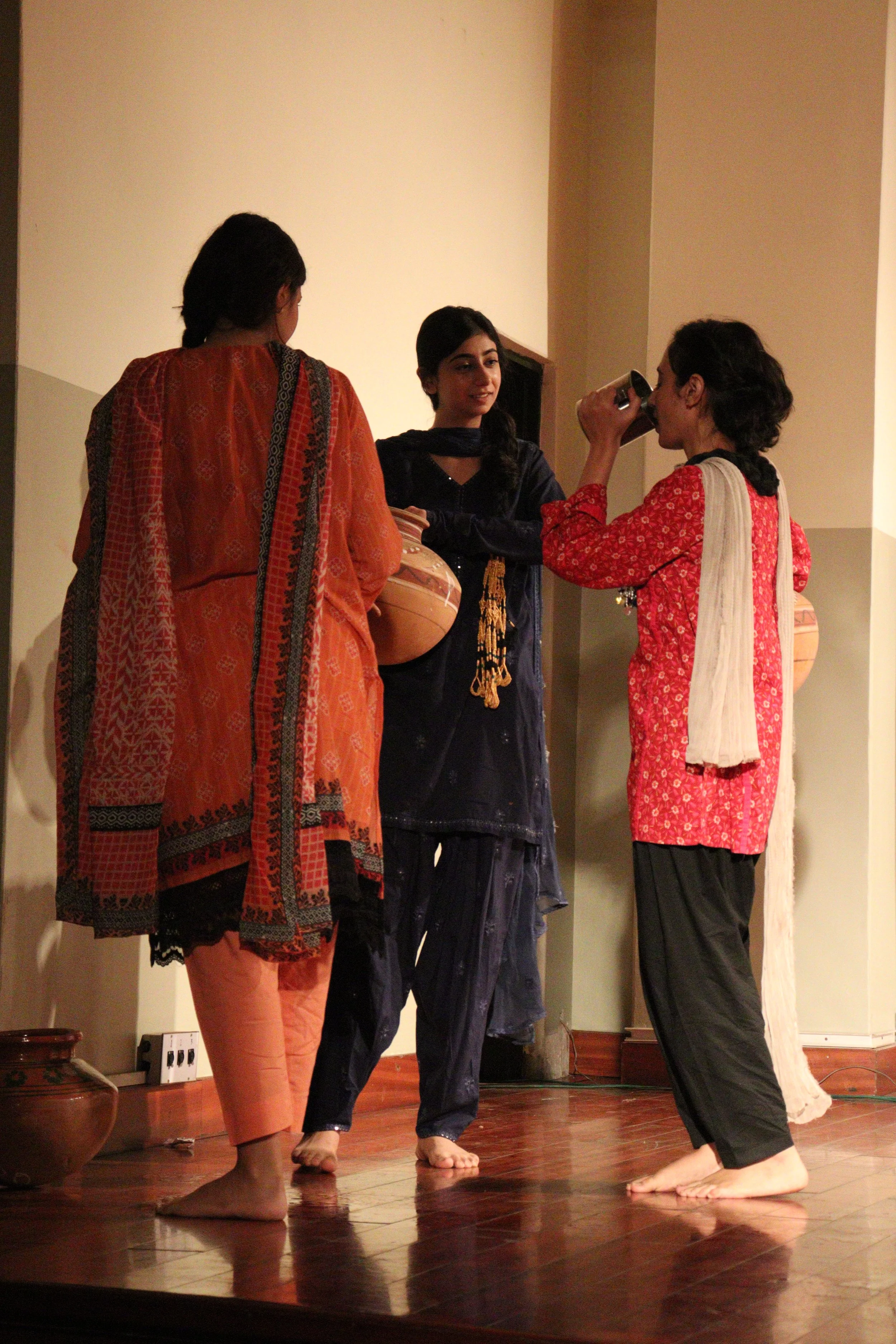
Three women in traditional South Asian attire are standing indoors on a wooden floor. One woman is drinking from a cup, another is holding a clay pot, and the third is engaging with them. The scene appears to be a cultural or social gathering.
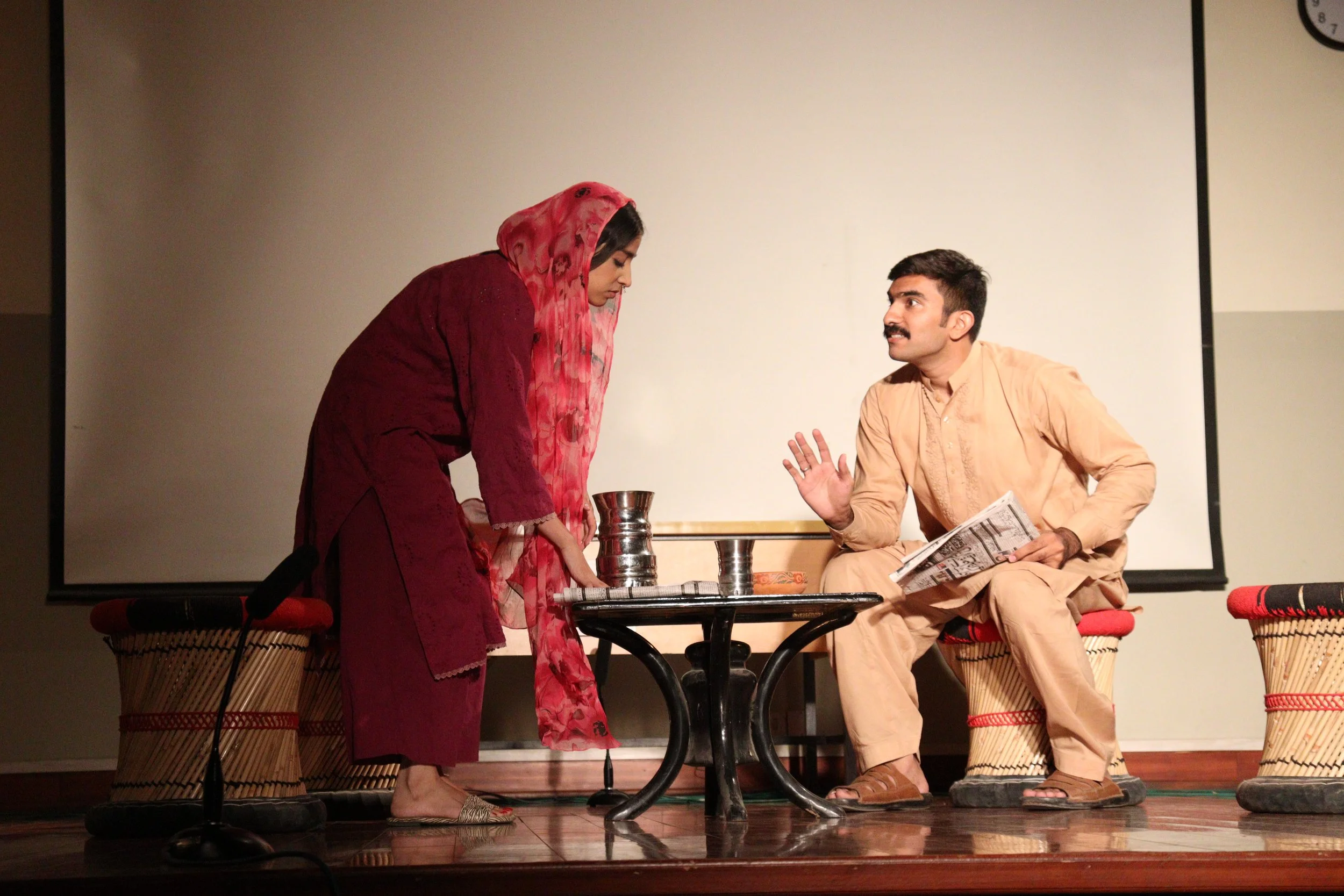
A man and a woman engaged in a conversation during a stage performance. The woman, dressed in a maroon outfit with a headscarf, is leaning over a table, while the man, in a beige traditional outfit, is sitting and gesturing with his hand. They are on a stage with a white background, surrounded by traditional Indian stools and some props on the table.
A man with dark, curly hair, glasses, and a beard, wearing white traditional attire, sitting on a wooden stool, holding newspapers or magazines, and listening attentively in a room with plain walls and a microphone on a stand nearby.

Man Tu: Karamāt and Actress kī ānkh

The first and second in the series of “Man Tu” (a series inspired by the stories of the Urdu short story writer Saadat Hasan Manto) were Karamāt and Actress kī ānkh.

Akhtar Mirza was the playwright, director, and actor of this one-hour period play in Punjabi and Urdu.

It was performed on 30 September 2022 at Forman Christian College (A Chartered University), Lahore, Pakistan.
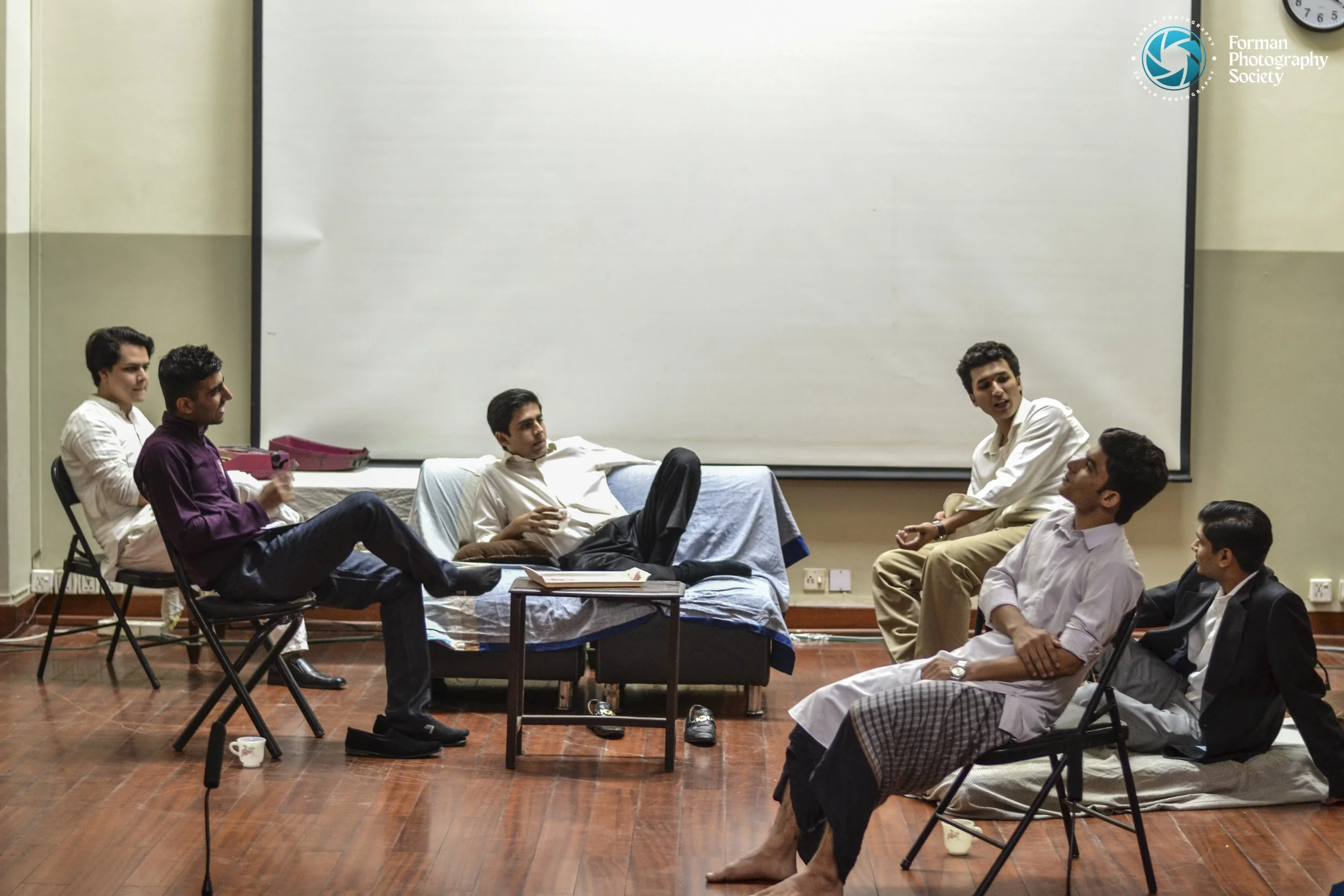
Group of seven young men in a classroom or meeting room, sitting on chairs and a sofa, engaged in a discussion or meeting, with a large whiteboard behind them.
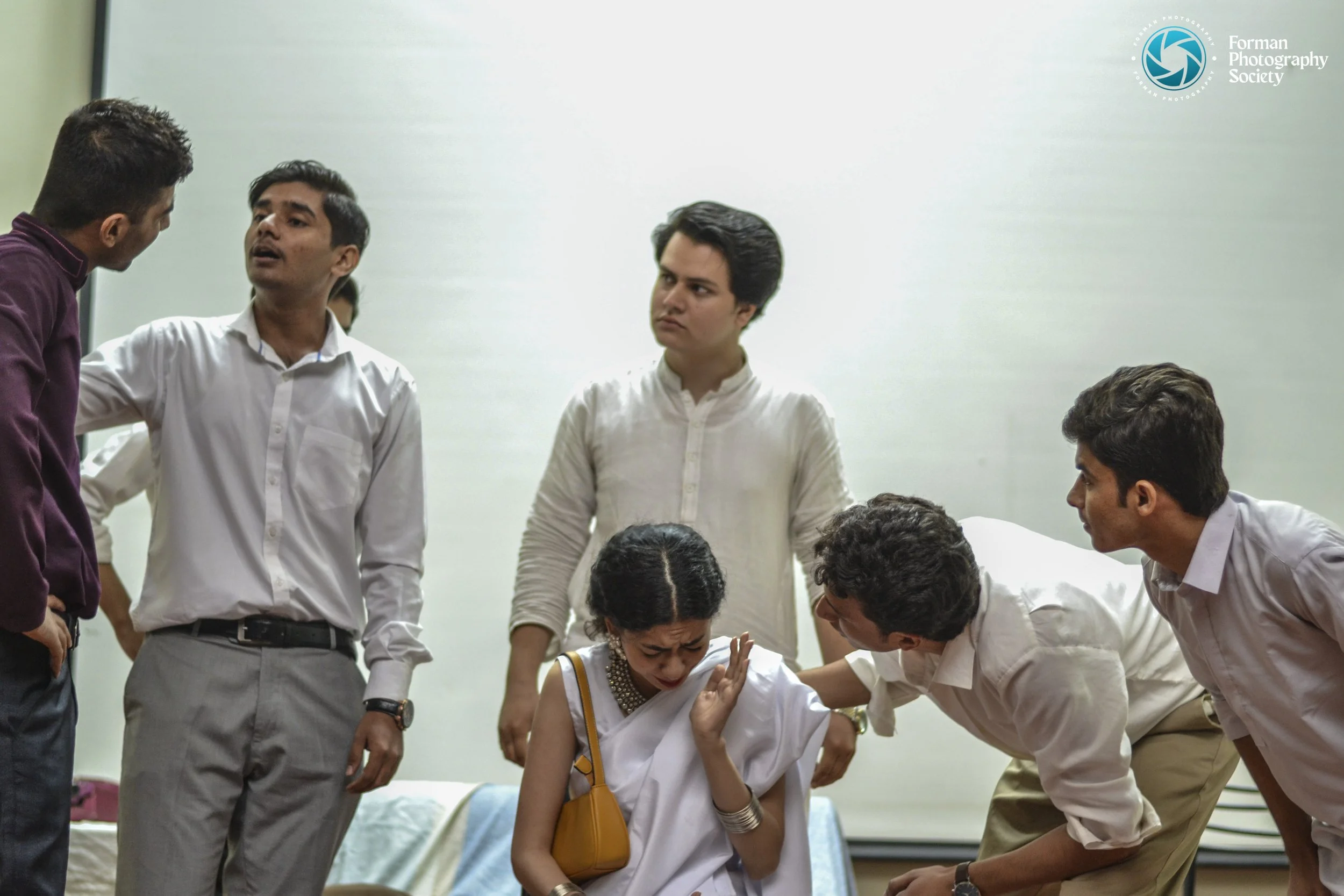
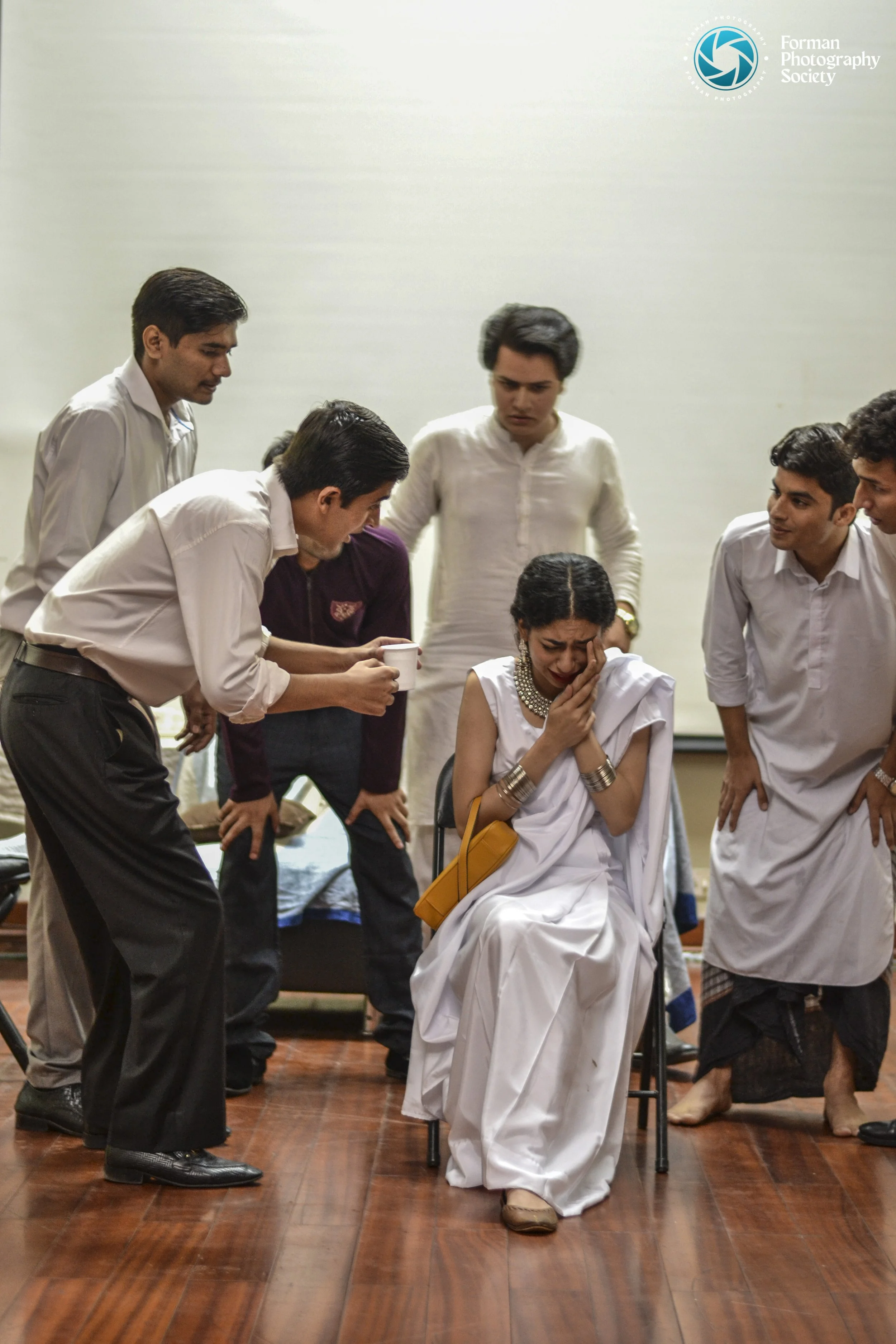
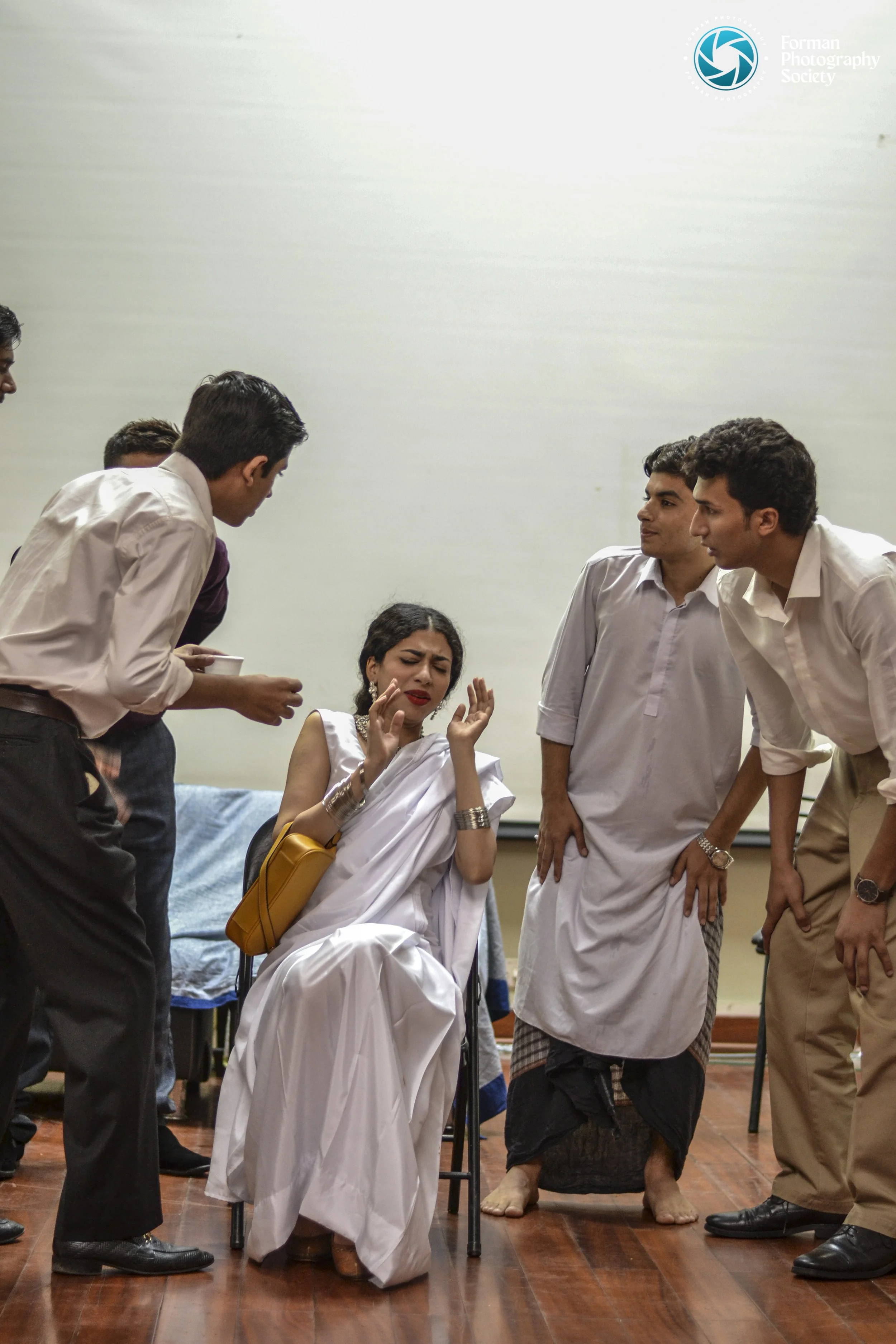
A woman in a white saree with a yellow bag appears to be upset or in distress, surrounded by several men in traditional or formal attire, some bowing their heads or leaning forward, in an indoor setting with a wooden floor.
A group of six people in a room, one woman appears distressed and is being comforted by two men, while three other men are engaged in discussion around her.
A woman dressed in white, sitting on a chair and crying, surrounded by men in traditional Indian attire who are comforting her, some with concerned expressions.
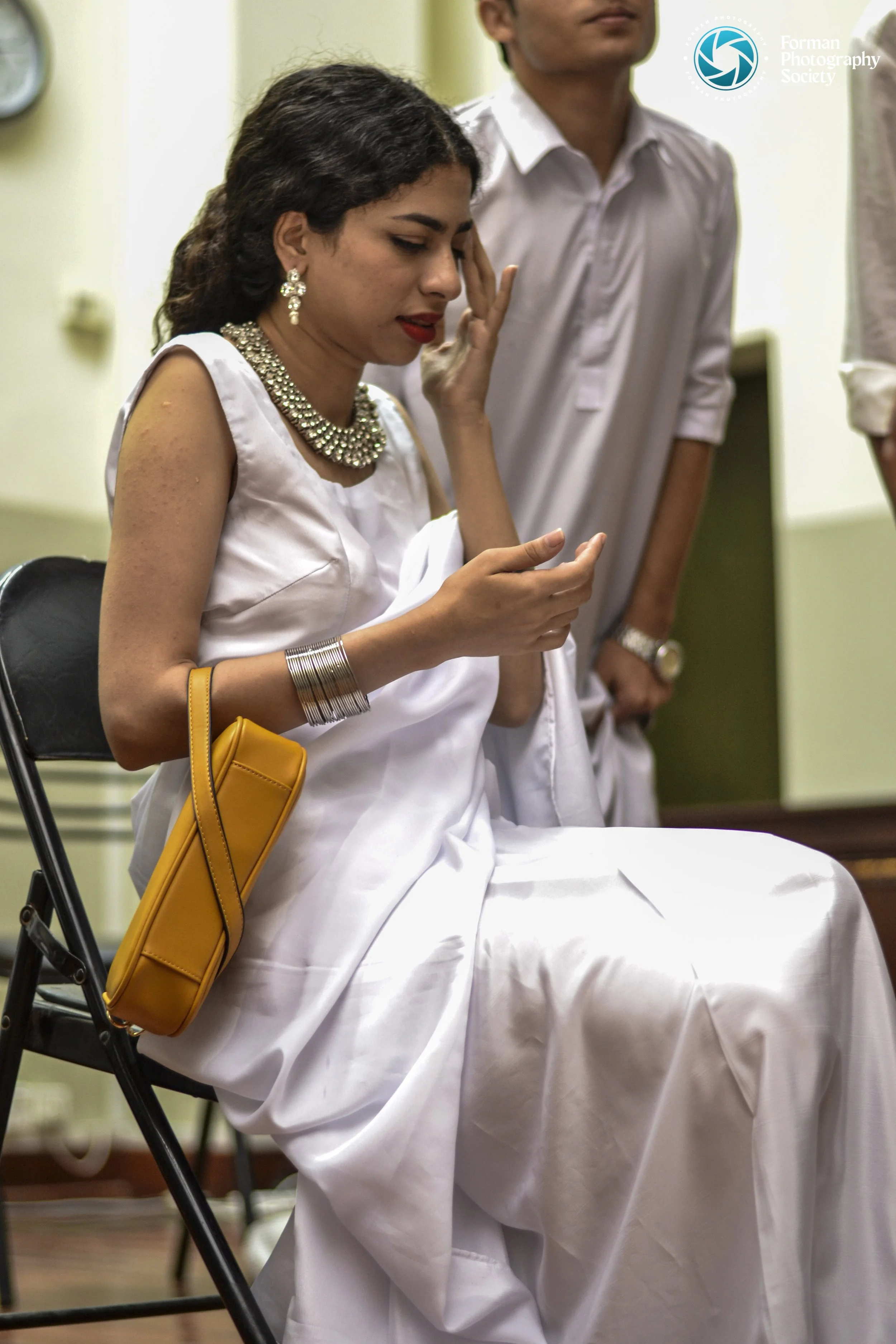
A woman dressed in a white traditional sari, sitting on a black chair, holding a hand to her face, appearing distressed. She has jewelry including earrings, a necklace, bangles, and a yellow bag hanging from her arm. There is a man in a white traditional outfit standing behind her, with a blurred background.